PEB Accessories
Aarus PEB Accessories
We are using high quality and branded products.
Purlin
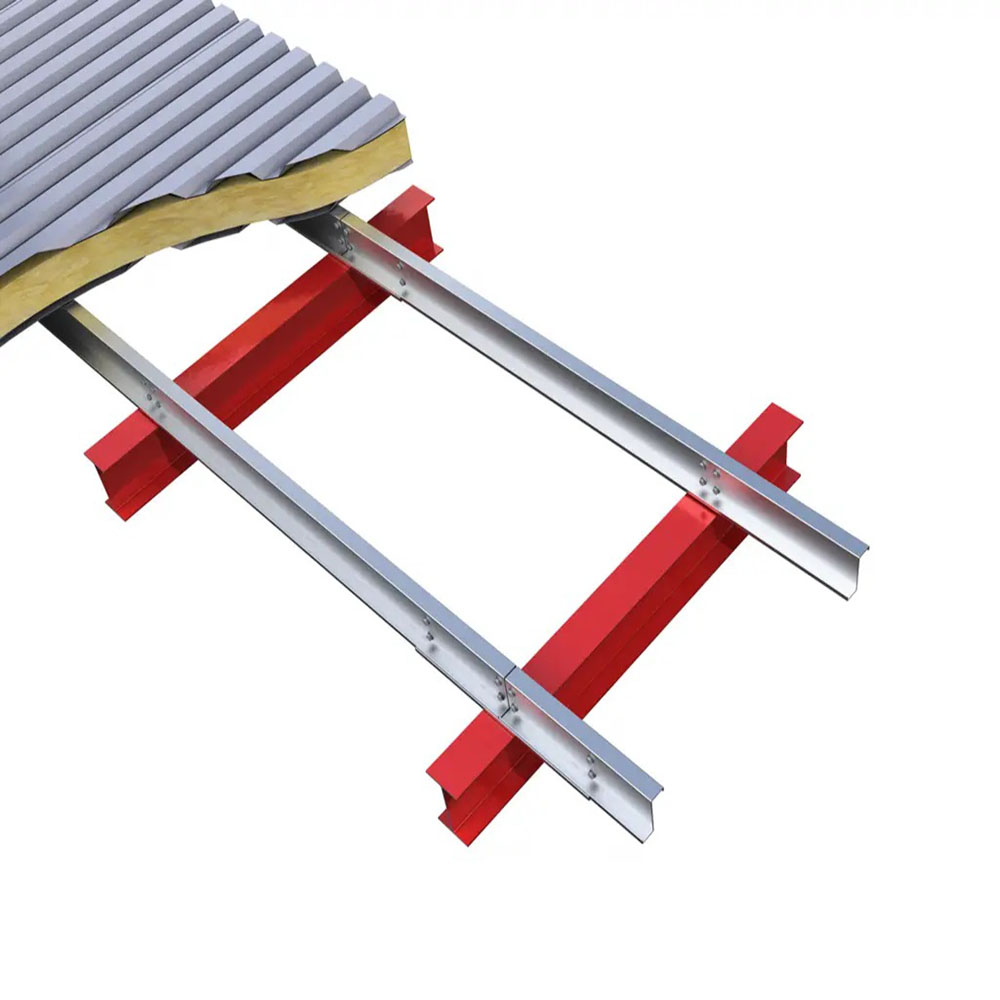
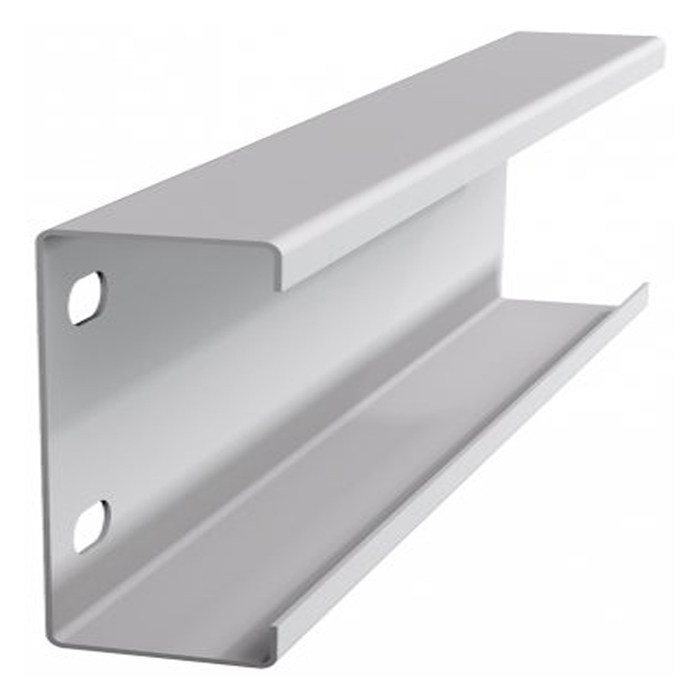
Purlins are steel components that are typically found beneath roofs and serve as support structures in pre-engineered buildings. Purlins give the roof additional support, forming a horizontal diaphragm to sustain the weight of the deck and roof. Installed parallel to the building eave, purlins are held up by walls or rafters. Cold formed steel is the basic material used to make purlins. It has a maximum length of thirty feet. If necessary, purlins can be provided additional stiffness to prevent a loss of structural strength. For this reason, purlins play a crucial role in the roof’s construction.
There are primarily two different kinds of purlins in use.
- C Purlins
- Z Purlins
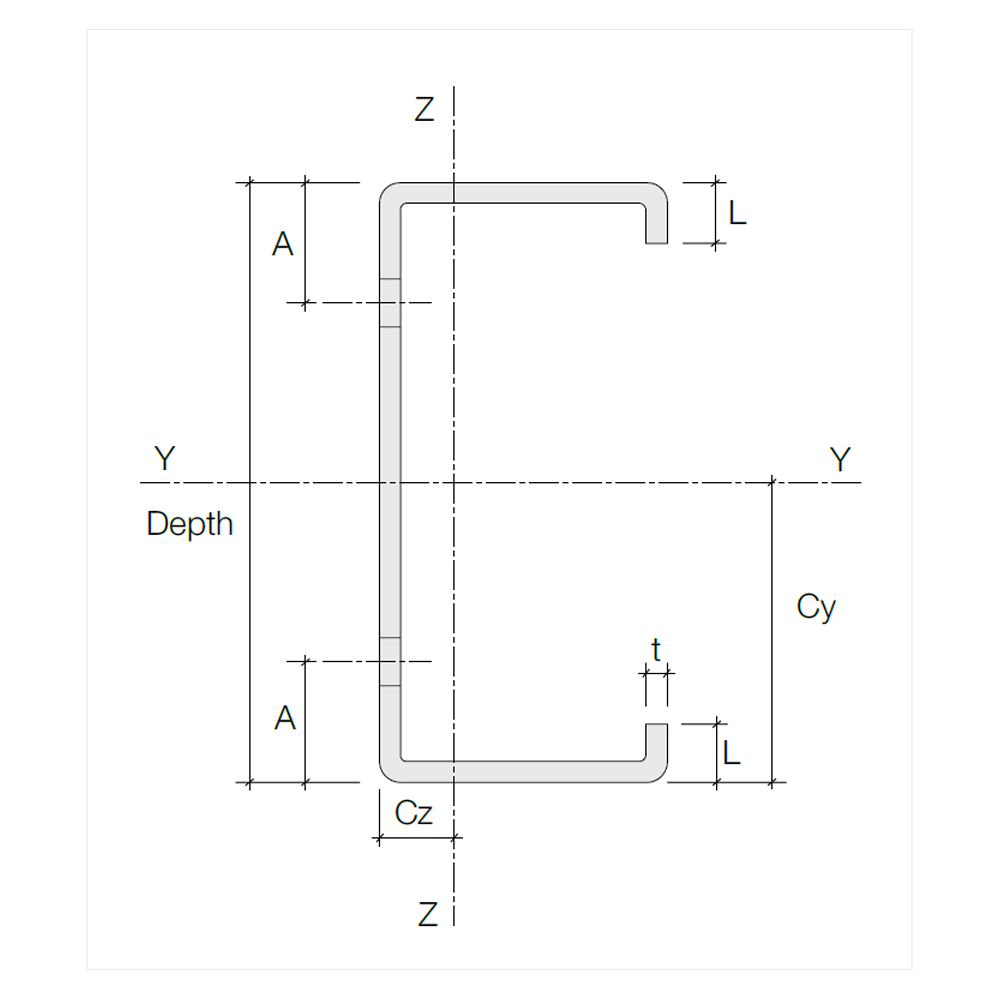
C Purlins : As the name implies, C purlins are shaped like the C alphabet and are primarily used to support walls and floors. As one side of this purlin is plain, it is preferred for cladding. These purlins are also perfect for simple span construction.
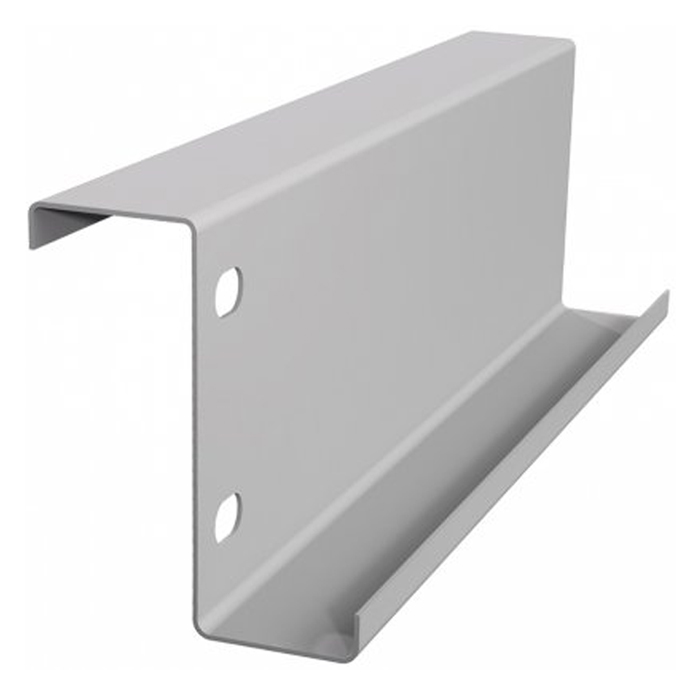
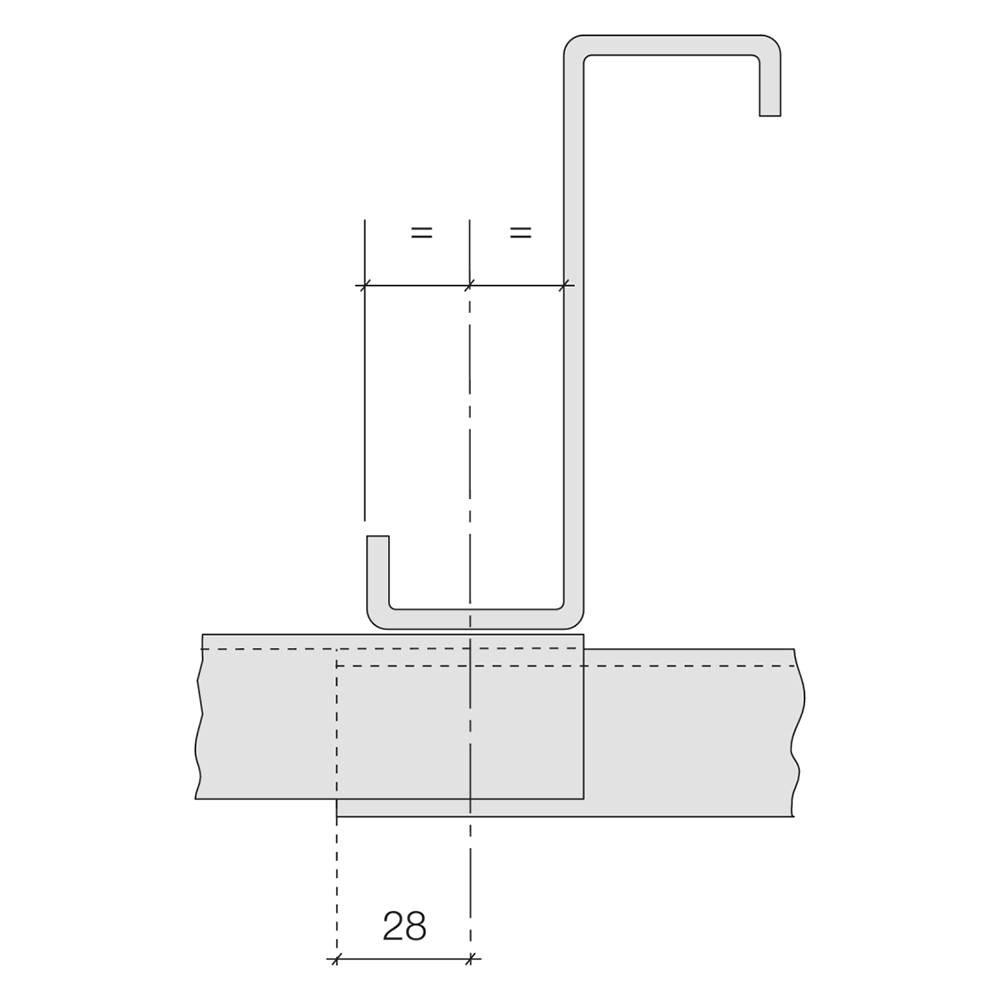
Z Purlins : The shape of Z purlins is similar to that of the Z alphabet. They are mostly made using cold-formed or rolled sheets. As compared to hot-rolled angles, Z purlins are known to save up to 50% on structural sheets.
Sag Rod
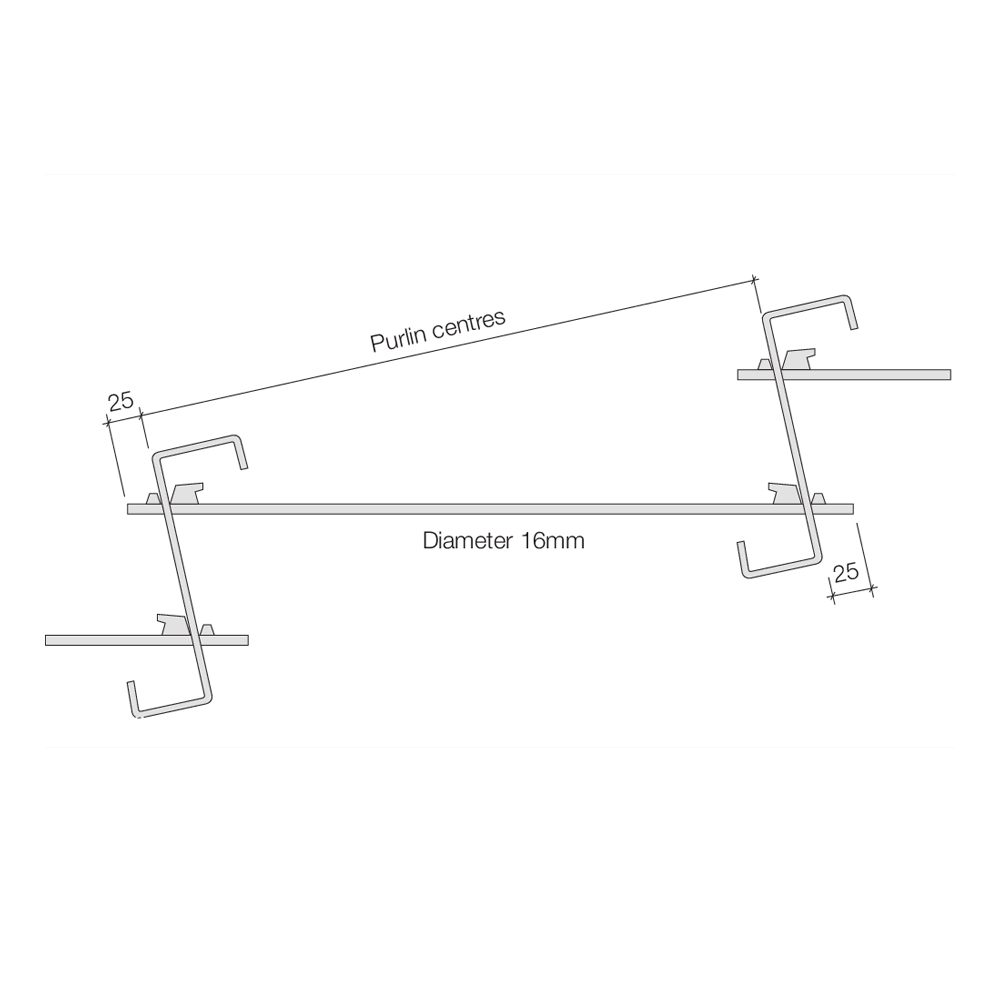
To assist the section in bending around the minor axis, sag bars are installed in purlins. In addition to lessening their propensity to twist and bend laterally, they give purlin lateral support to minimize sag caused by vertically applied stresses in the direction parallel to the sloping roof. They are tension members that are intended to support the portion of roof loads that are parallel to the roof.
Bracing Rod
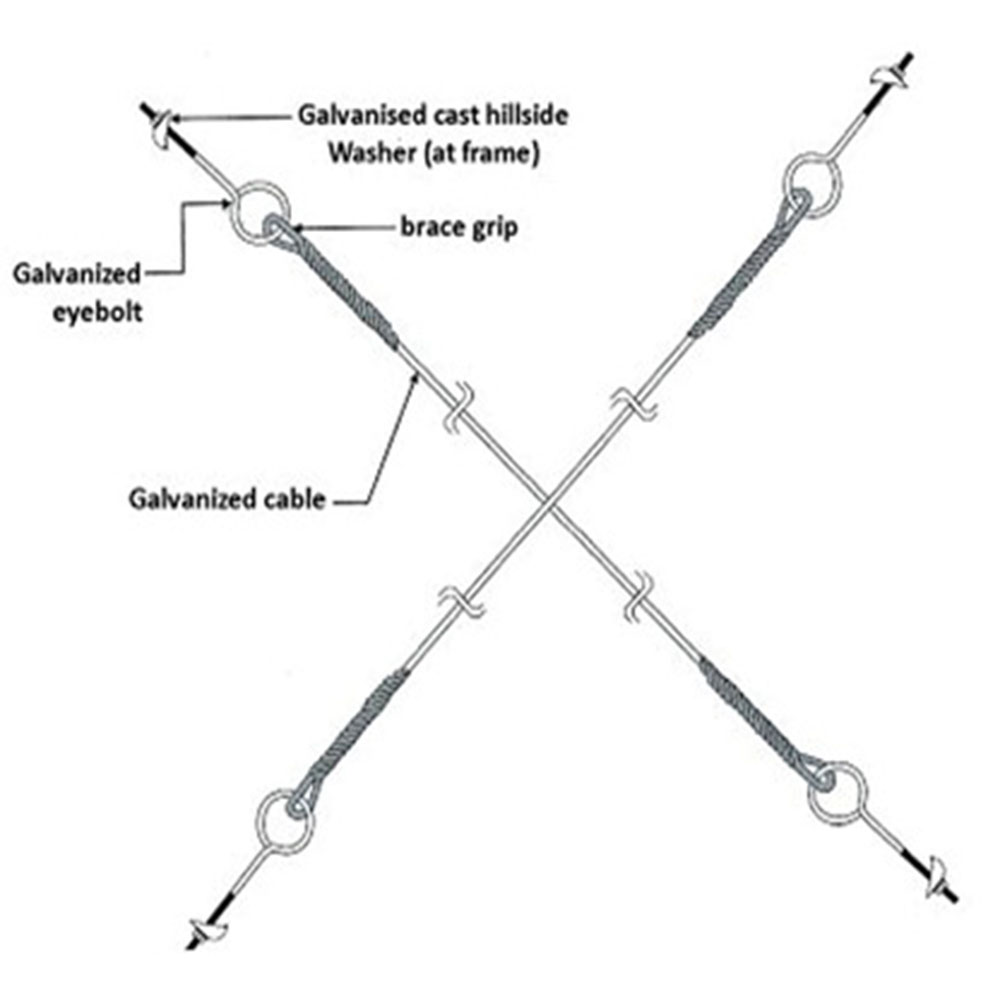
In order to prevent lateral forces like wind, earthquake, and other loads from causing the building to sway or collapse, bracing systems are used as structural elements. Building resistance to these stresses can be increased and harm to the building and its occupants reduced with well-designed bracing structures. Brace Rods are utilized in larger buildings with taller eaves and are used in a similar manner as EHS Cable. Greater load multiplication caused by the taller eaves necessitates the use of round bar with a wider diameter. Although it can be larger depending on the purpose, round bar with a diameter of 1/2 to 3/4 inches is typically prevalent.
Insulation
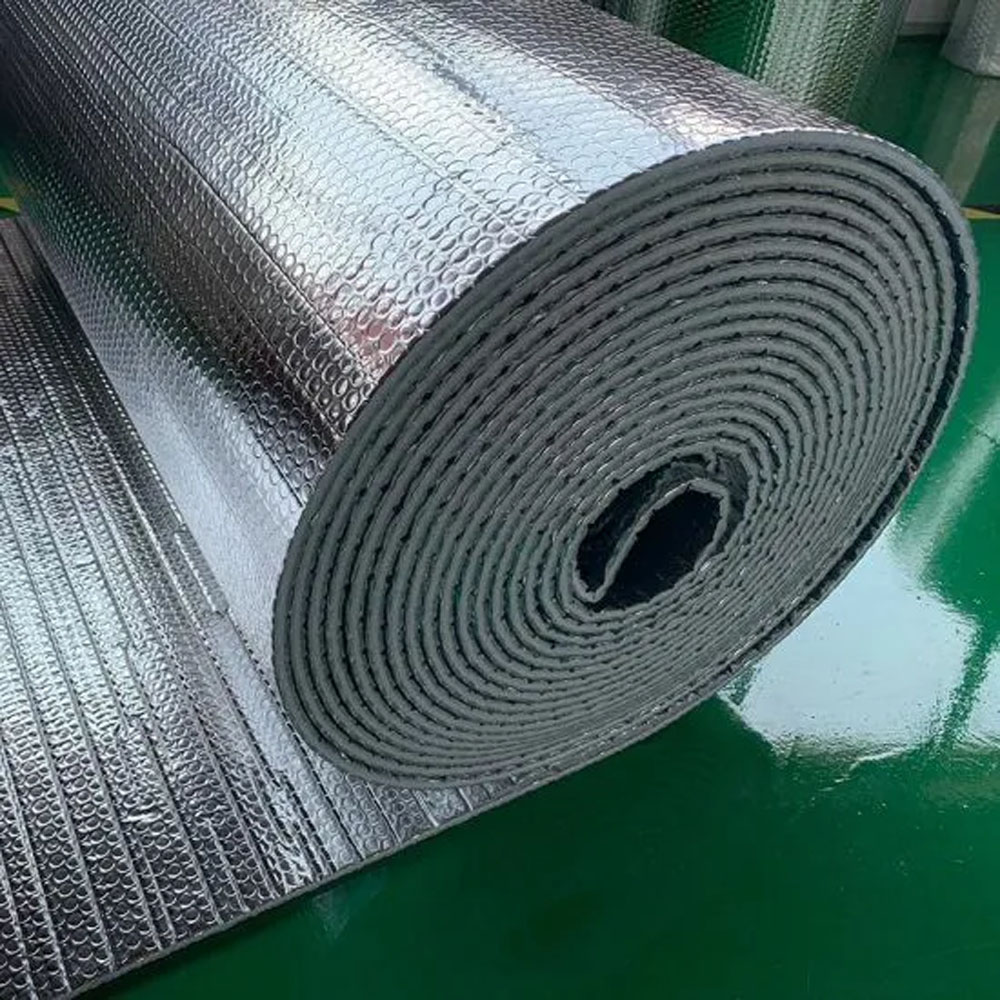
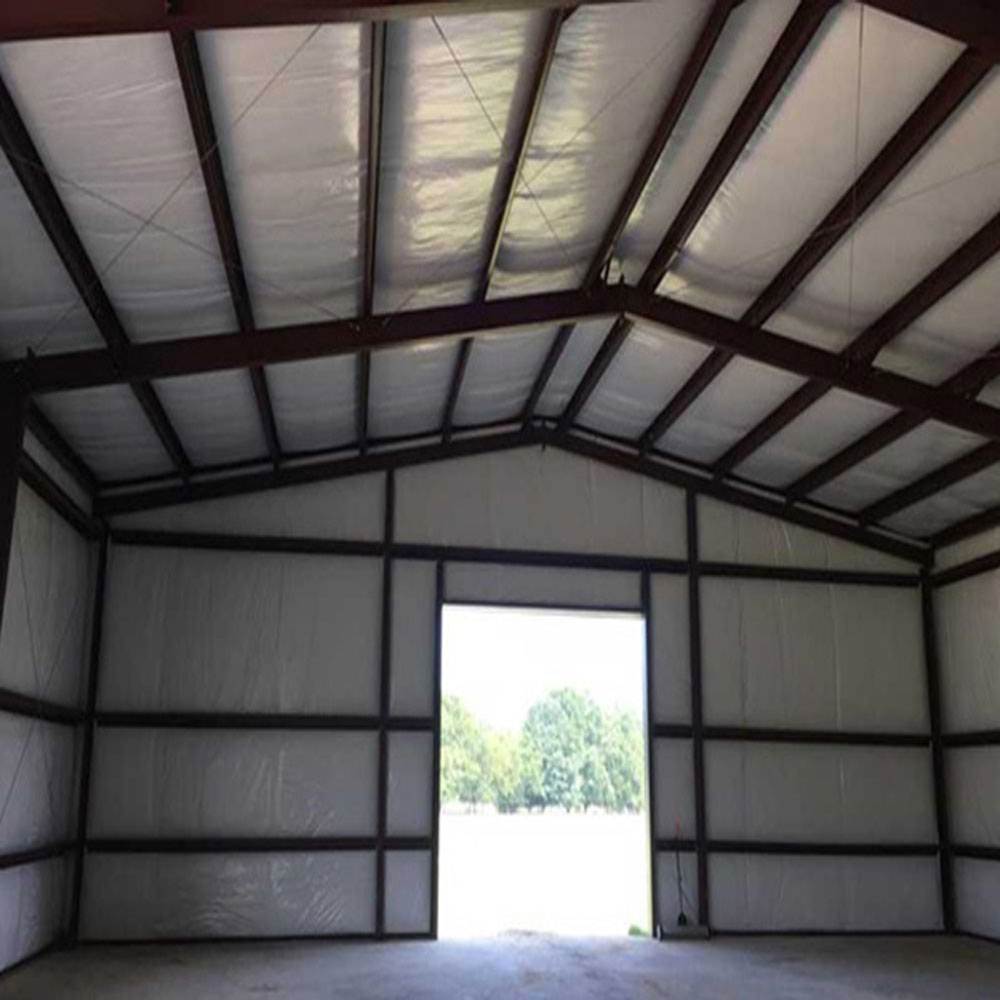
One of the best options for larger construction sites or buildings in remote areas where it is difficult to locate installation services is pre-engineered building insulation. When properly installed, such insulation material significantly reduces heat transfer through the roof surface. In any situation where there is a greater heat difference, increased heat flow, or a naturally hot space to a cooler space, it is beneficial. Maintaining a relief during the winter months is also beneficial since it prevents heat loss from the interior to the outside. In the summer, it keeps the increased heat from the outside from entering the house.
Ventilation
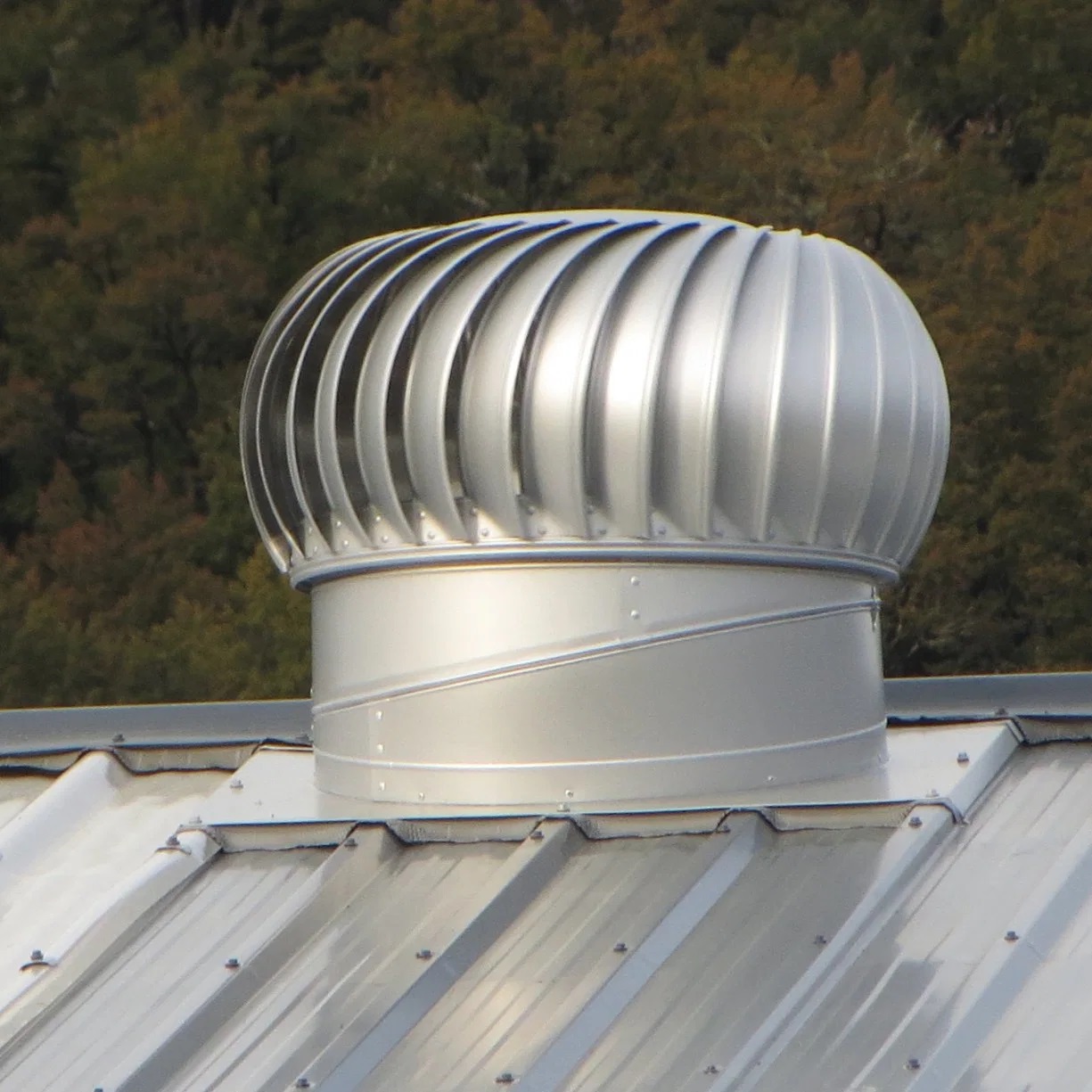
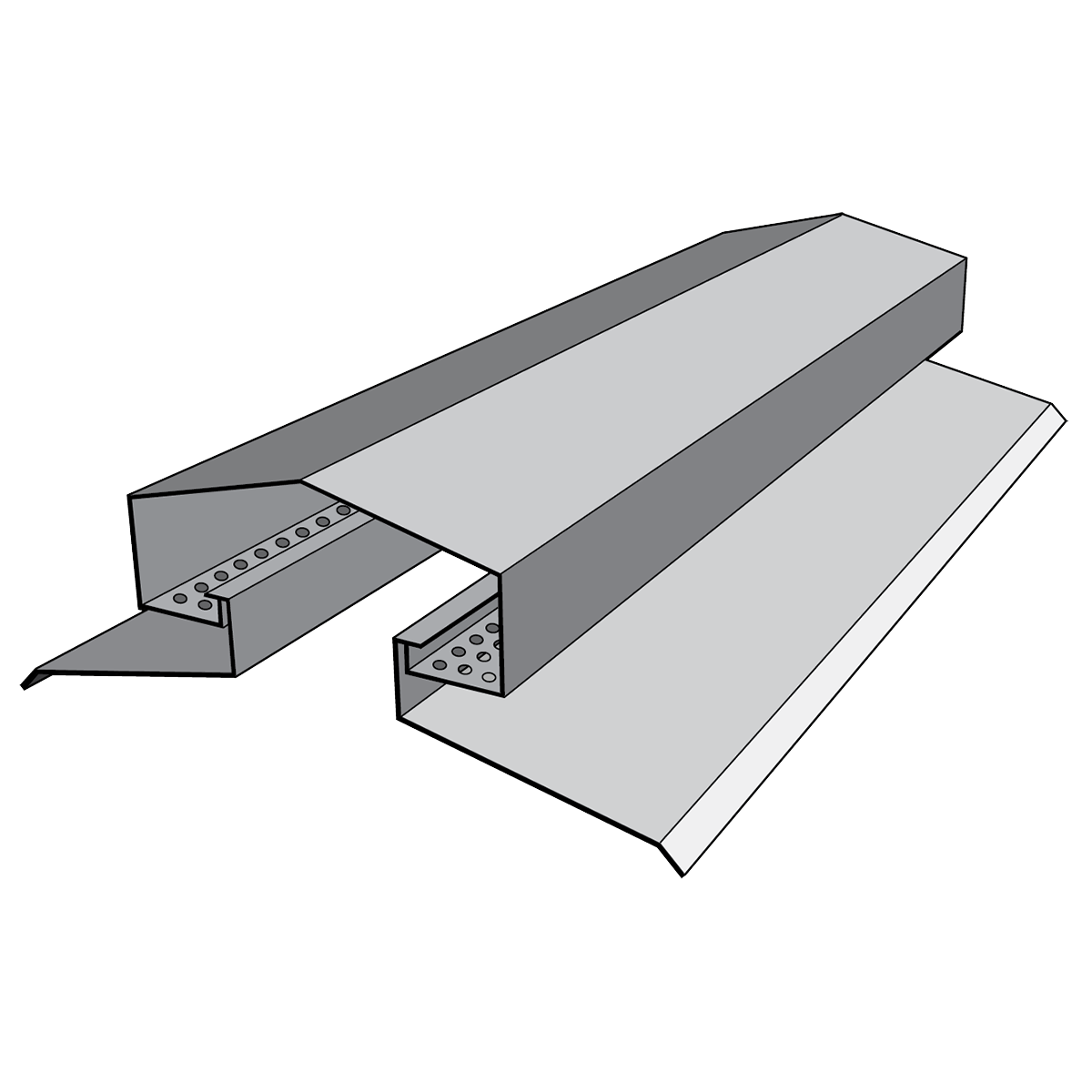
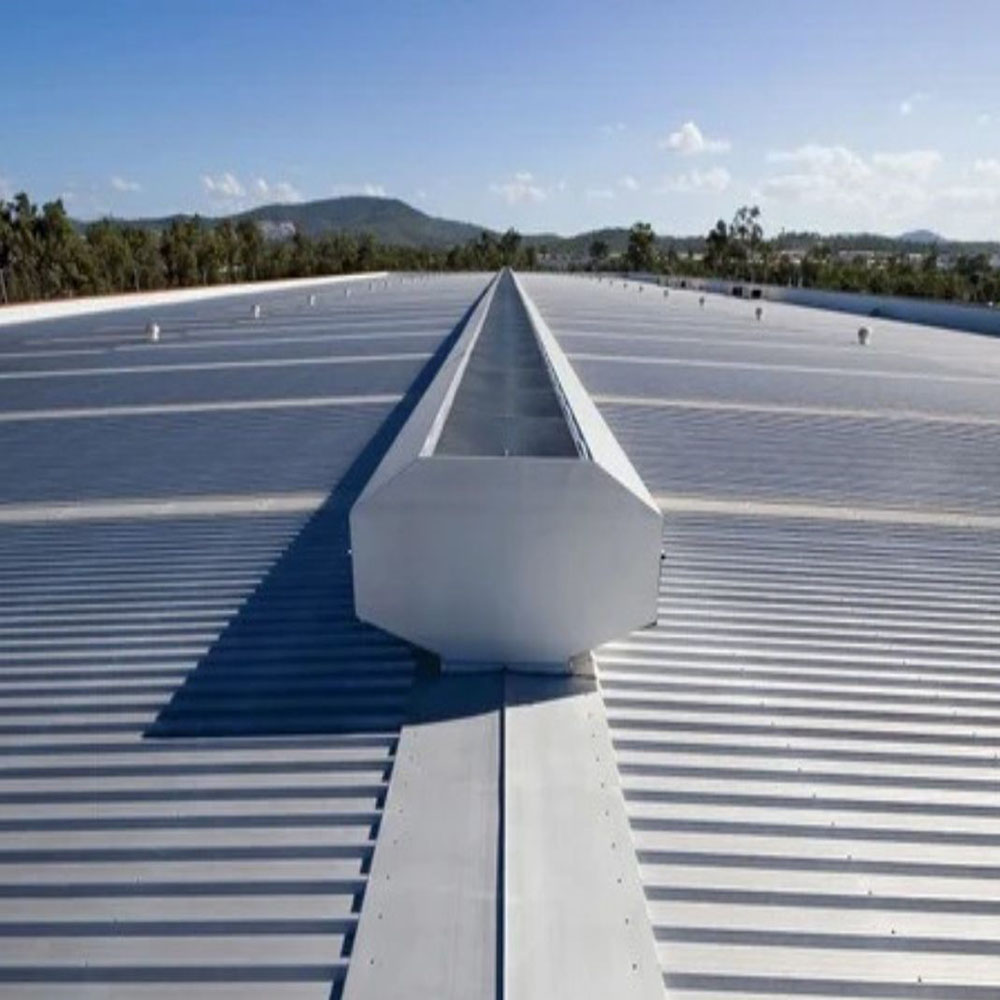
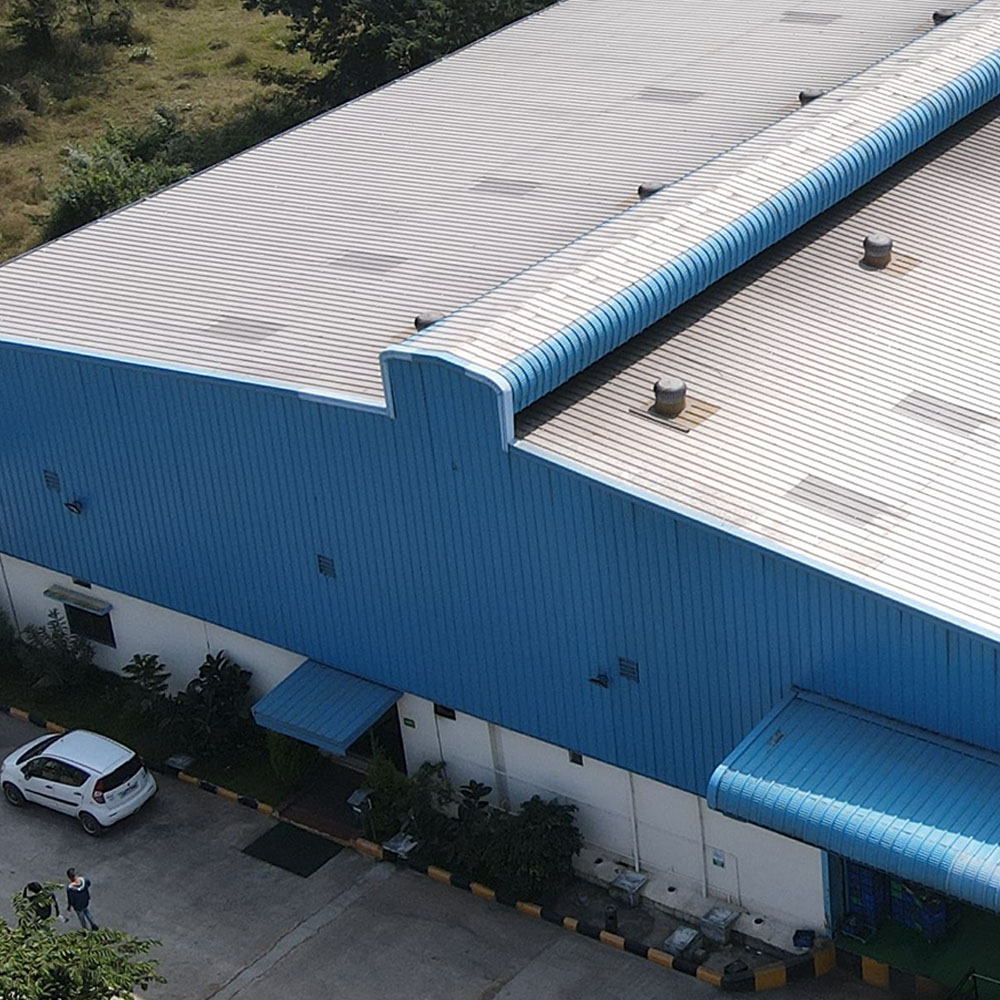
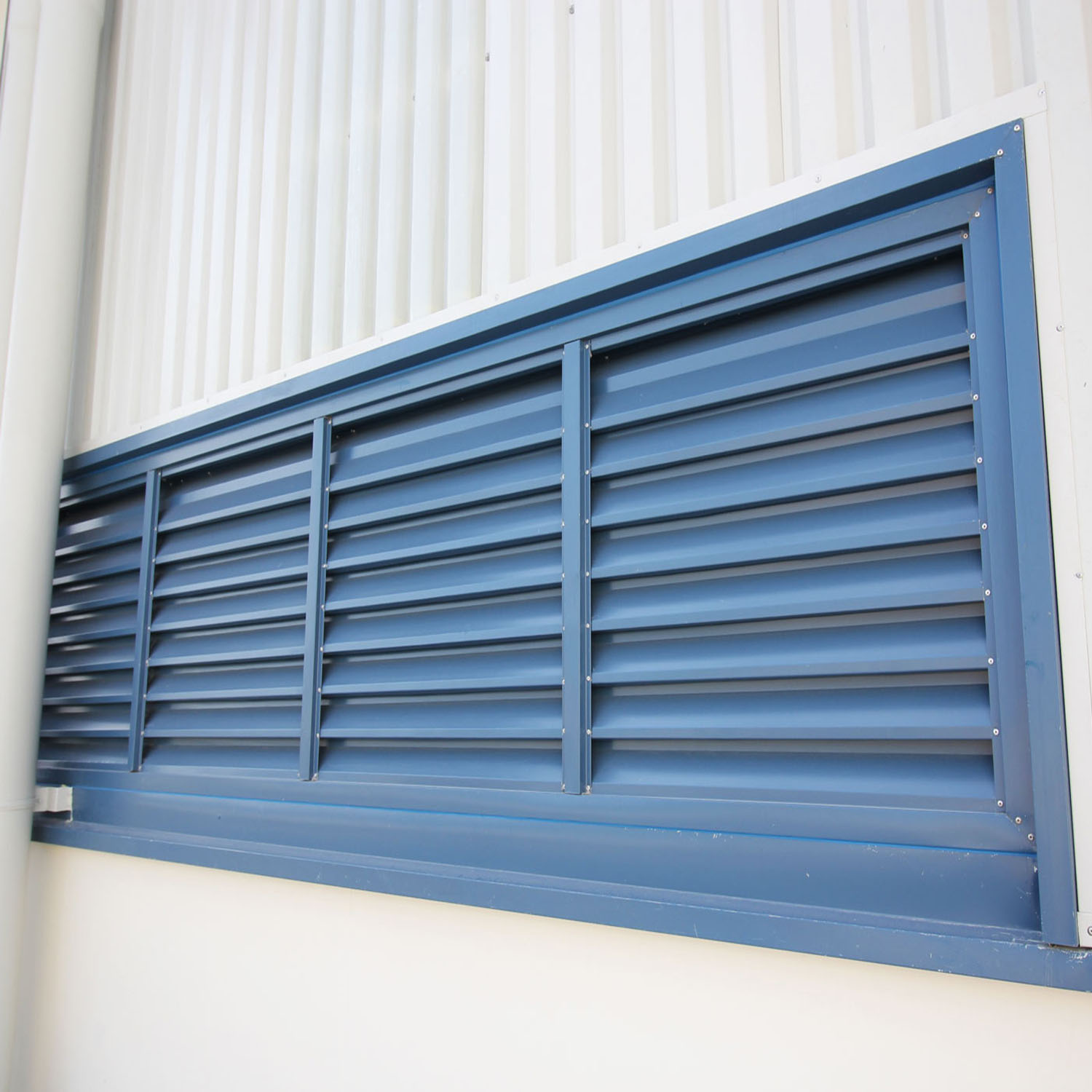
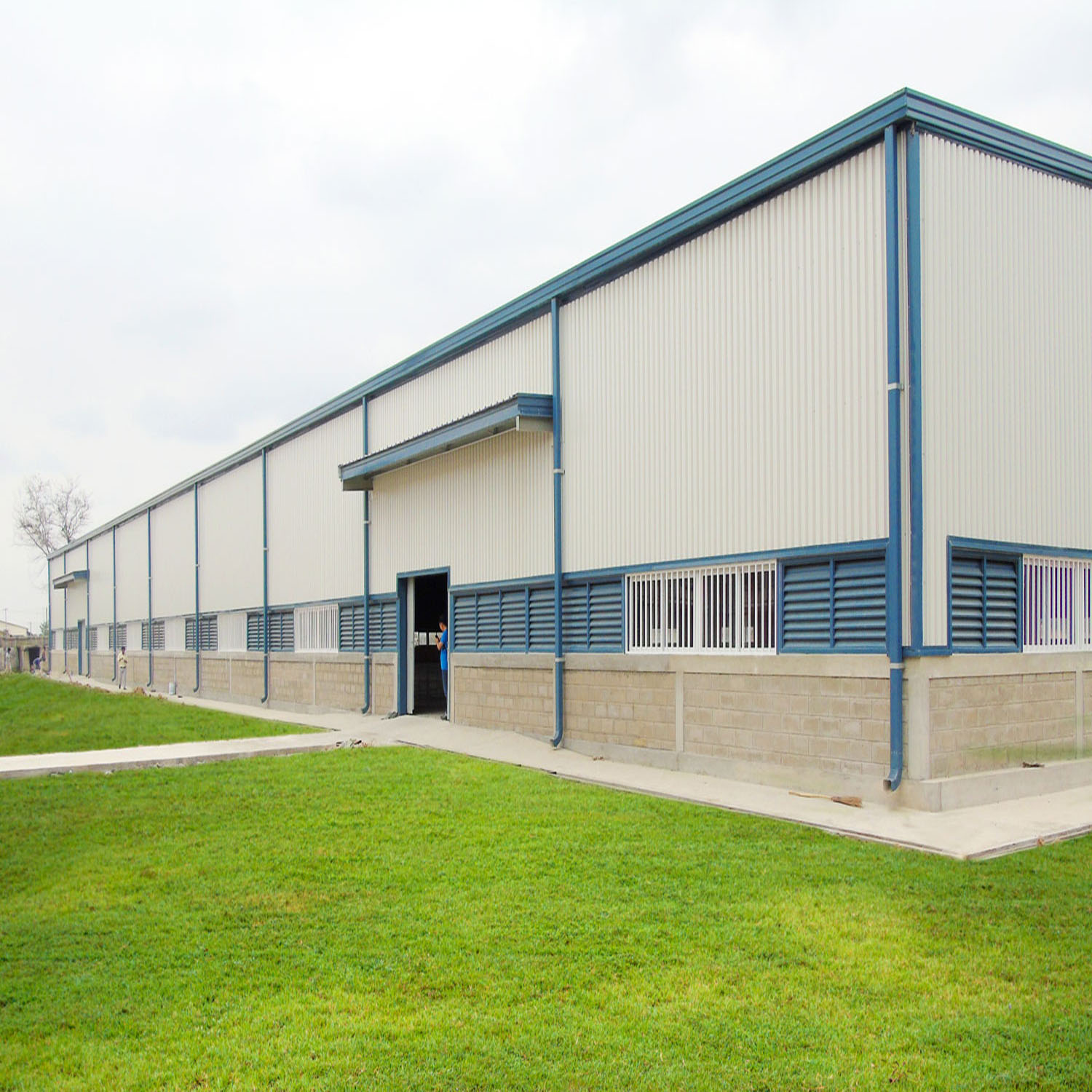
We employ many kinds of non-powered ventilation systems in our facilities. Every system operates on the fundamental ideas of gravity and wind flow, in which heated air rises and escapes and is replaced by cooler air that enters to cover the space left by the hot air’s outward movement. All buildings require proper ventilation, but metal buildings require it much more since they are more vulnerable to heat transfer and condensation. A building’s ideal ventilation system is determined by its size, form, location, and intended use. For a typical steel building, a single 10′ ridge ventilator can serve 2400 square feet of space as a very broad rule of thumb. There are primarily five different kinds of ventilators in use.
- Turbo Ventilators
- Roof Monitors
- Ridge Vents
- Industrial Louvers
- Fixed Louvers
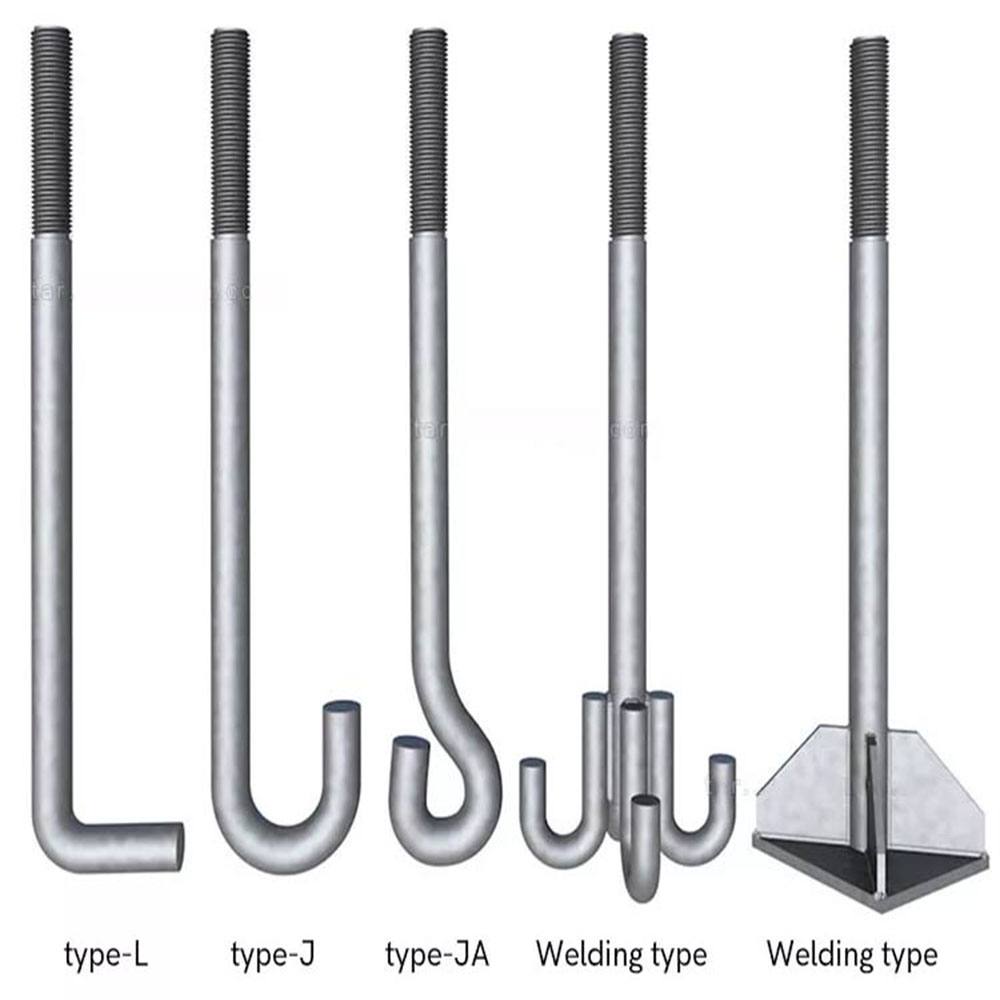
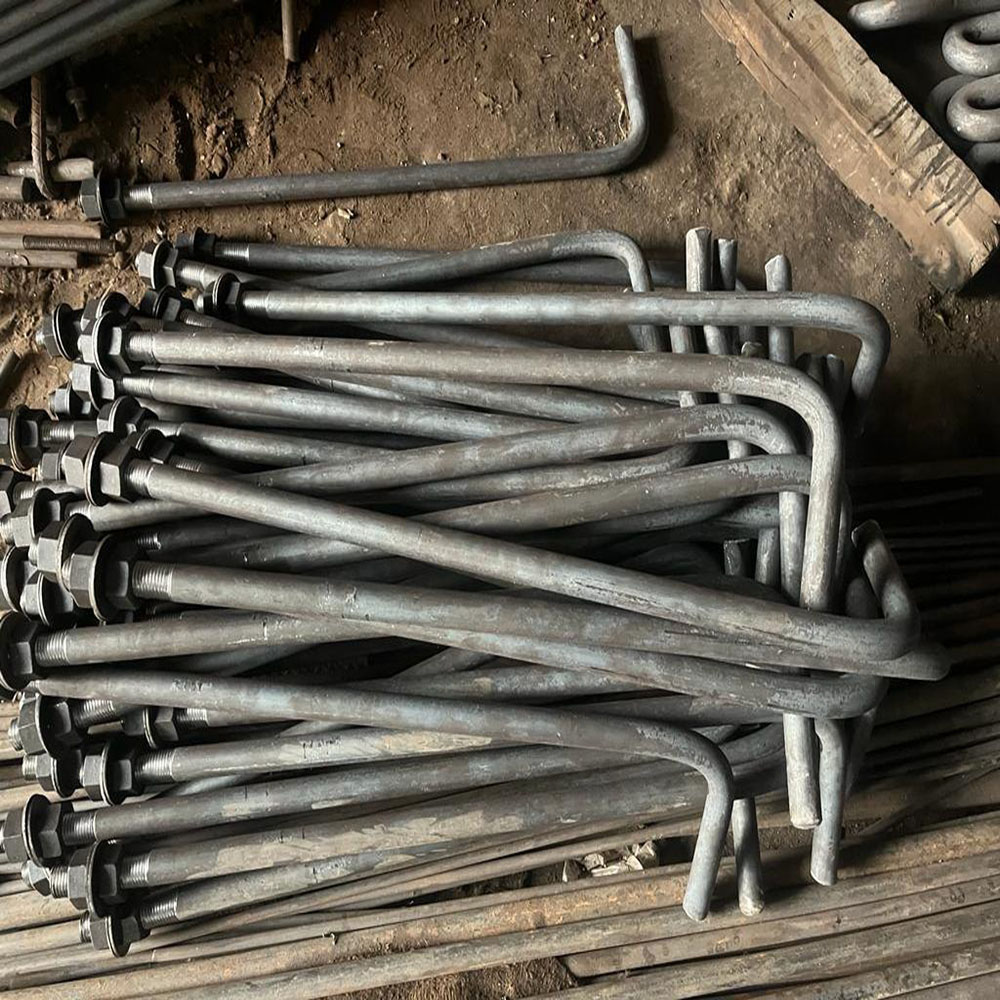
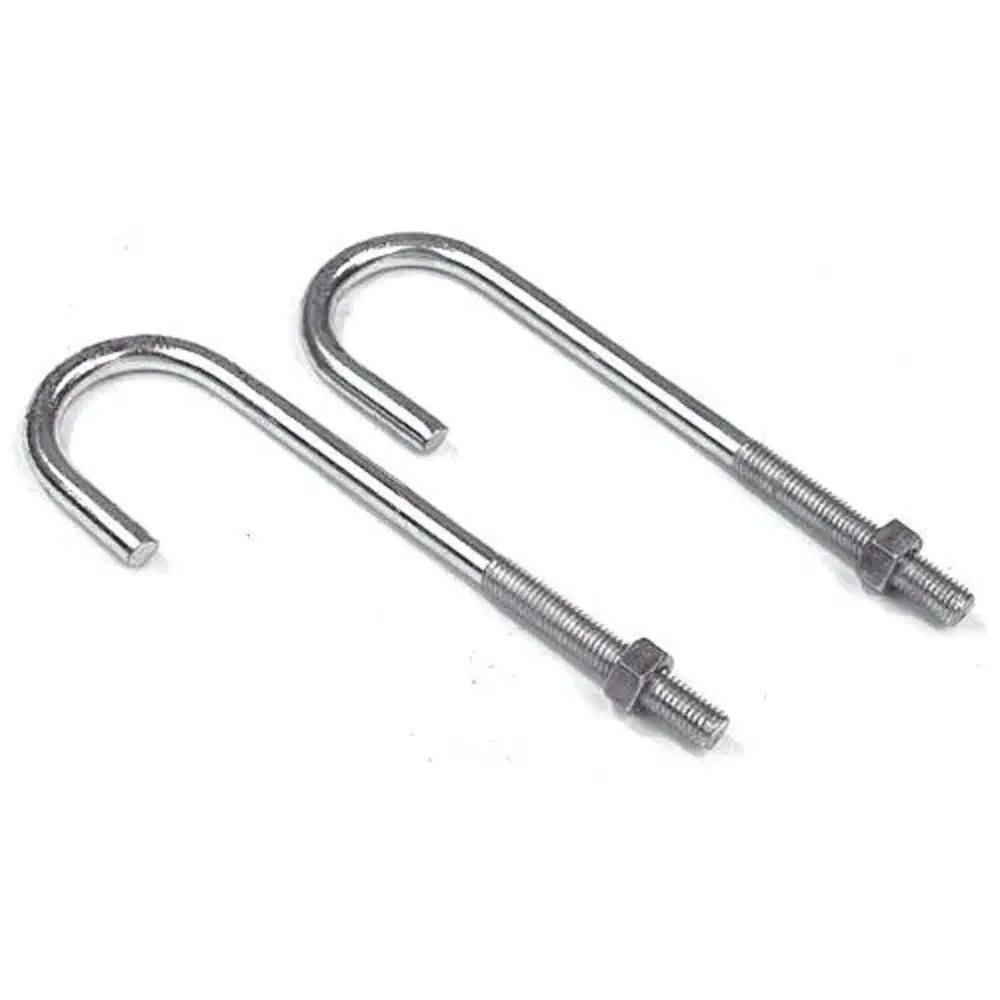
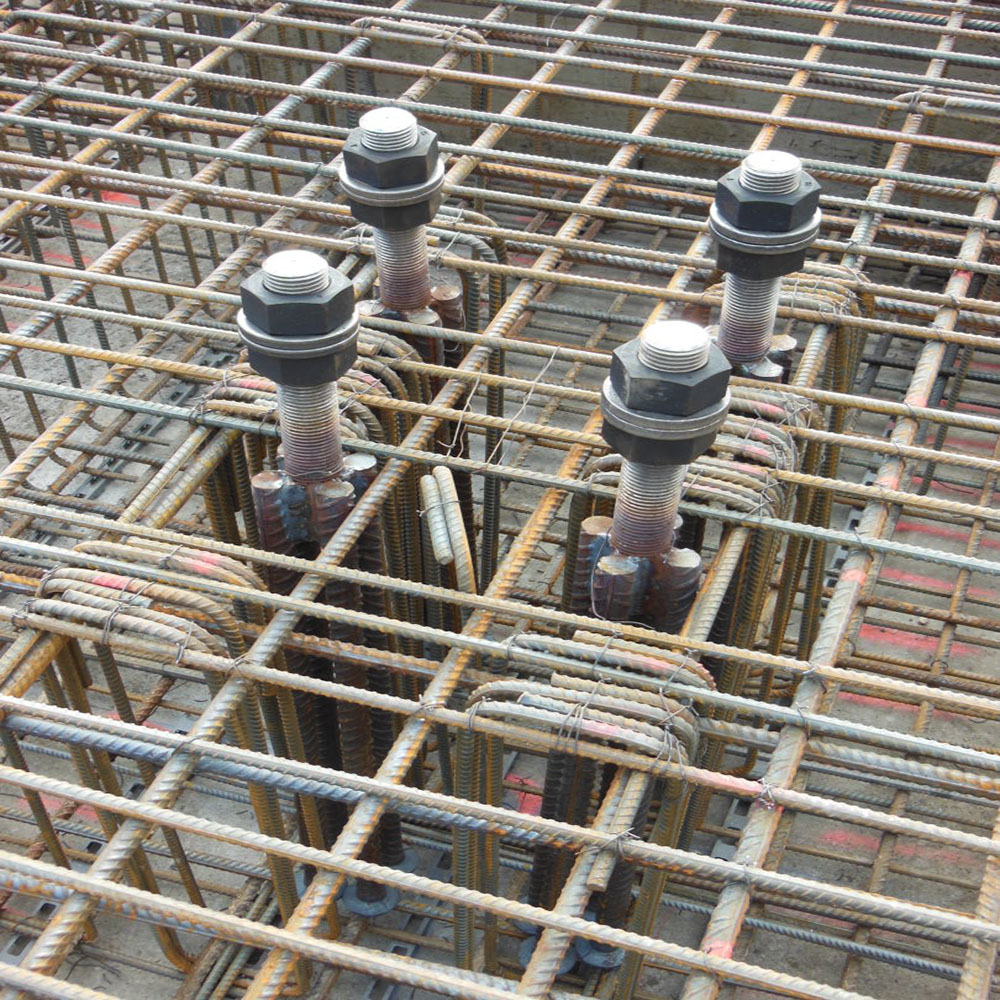
Anchor Bolt
The purpose of anchor bolts is to fasten structural components to concrete. In our business, steel is usually fastened to concrete using anchor bolts. The opposite end is threaded to attach structural support, and the first end is embedded in the concrete.
- L-Shaped Anchor Bolts
- Double End Rods with Plate
- Headed Anchor Bolts
- Swedge Bolts
Flange Bracing
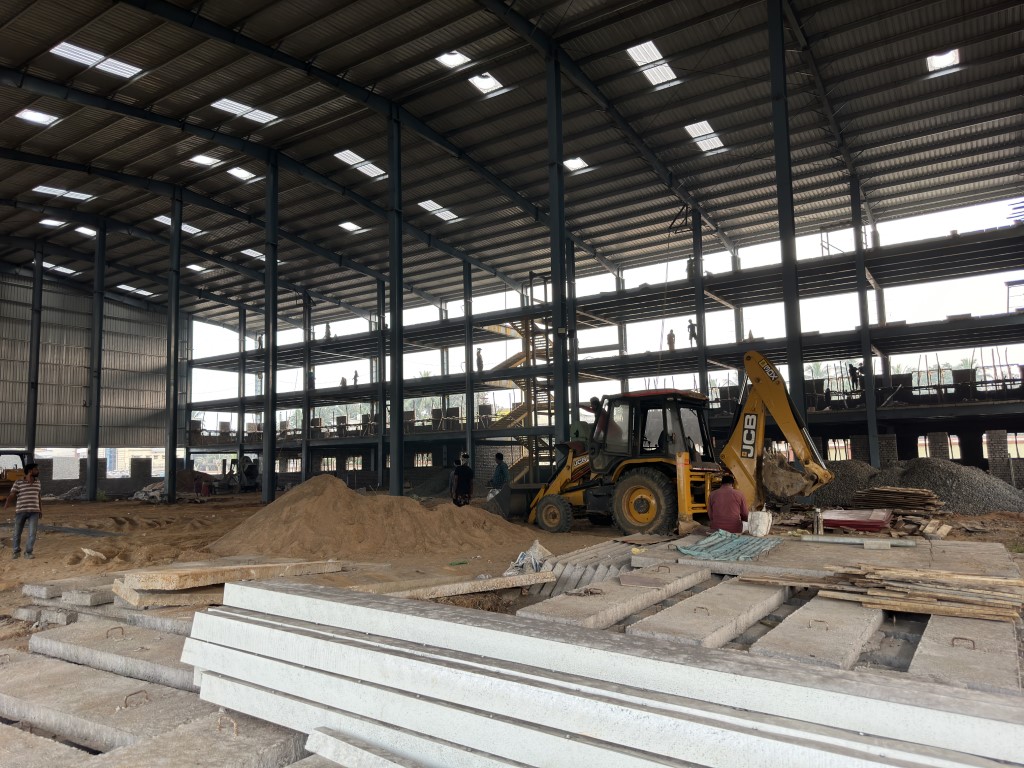
Prefabricated buildings are primarily framed using vertical columns fastened to rafters and other metal components. Through the roof of the frames, purlins are attached from rafter to rafter.
Along the length of the frames, girts are attached from column to column. The secondary framing system consists of these. The columns and rafters of these steel buildings have strategically placed 6mm thick steel “L clips” bolted on. The Girts and Purlins are fastened to the main framing using these clips. That means – A brace that provides lateral support to the flange of a beam, joist girder, or column. Beam in bending due to gravity loading, the flange brace force on the compression. The bracing does not provide any lateral restraint to the compression flange, as one beam will simply use the bracing to push the other beam sideways. A bracing system is a secondary but essential part of a bridge structure.
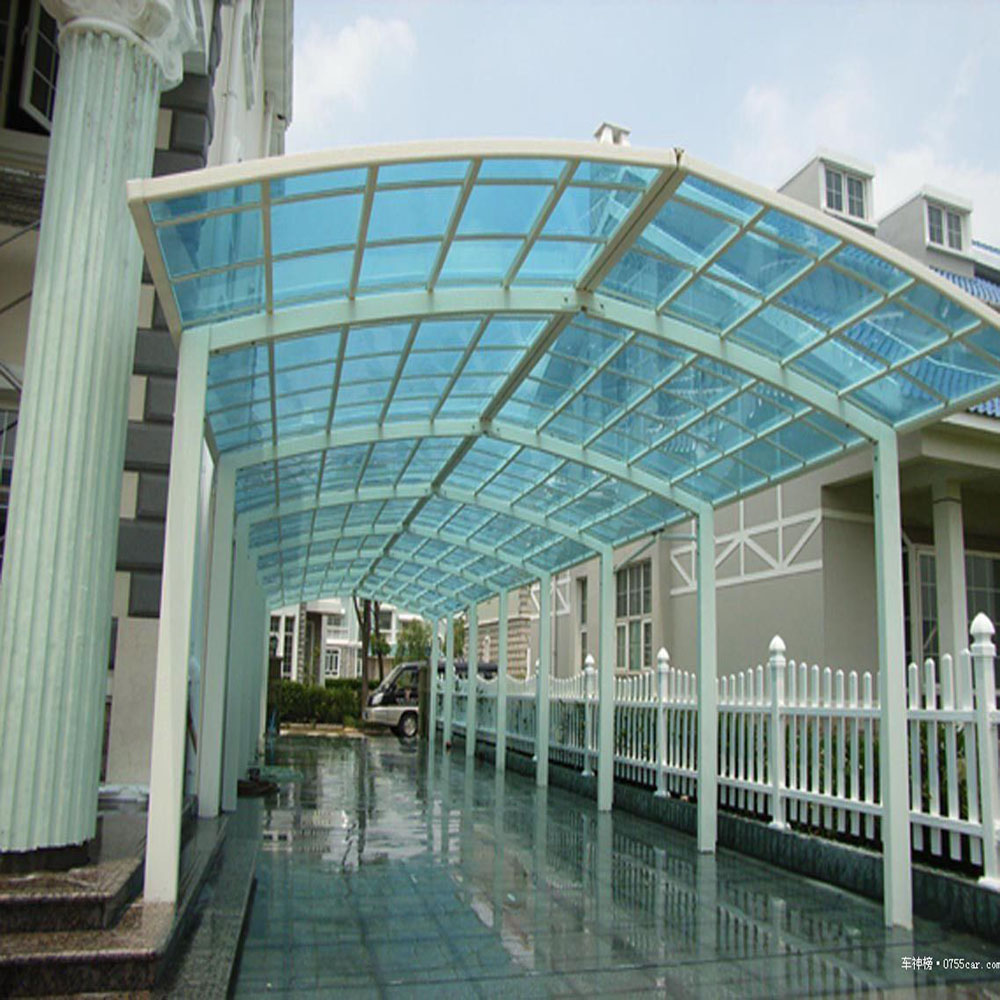
Day Light Panel / Polycarbonate Sheet
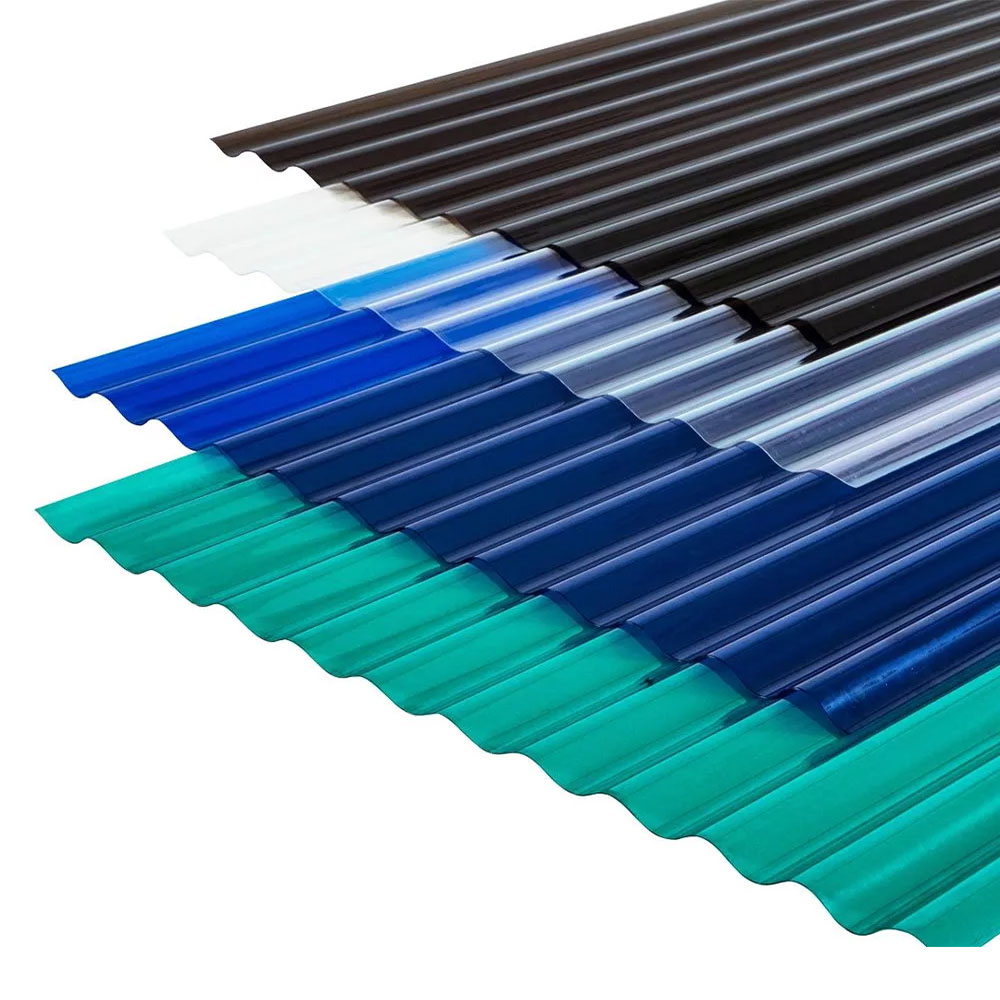
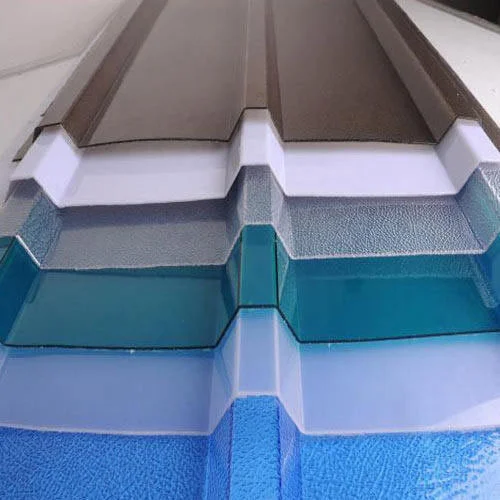
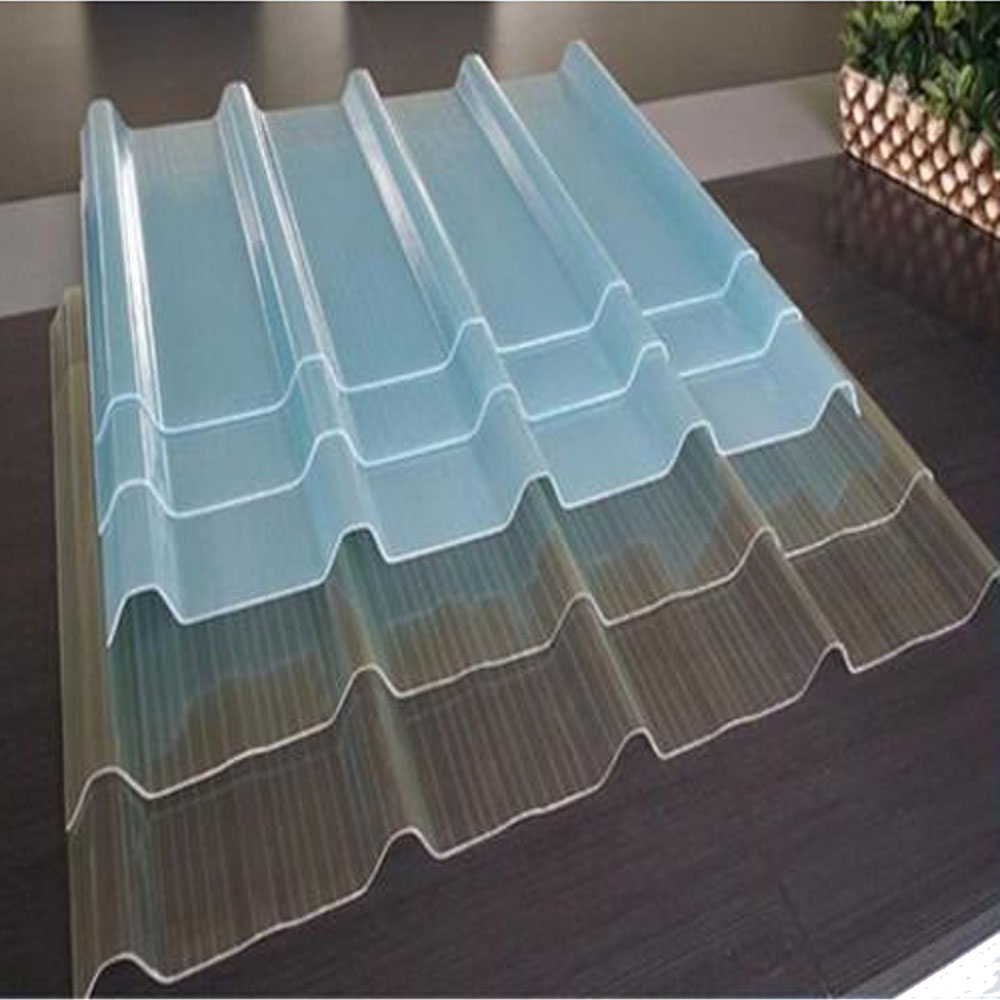
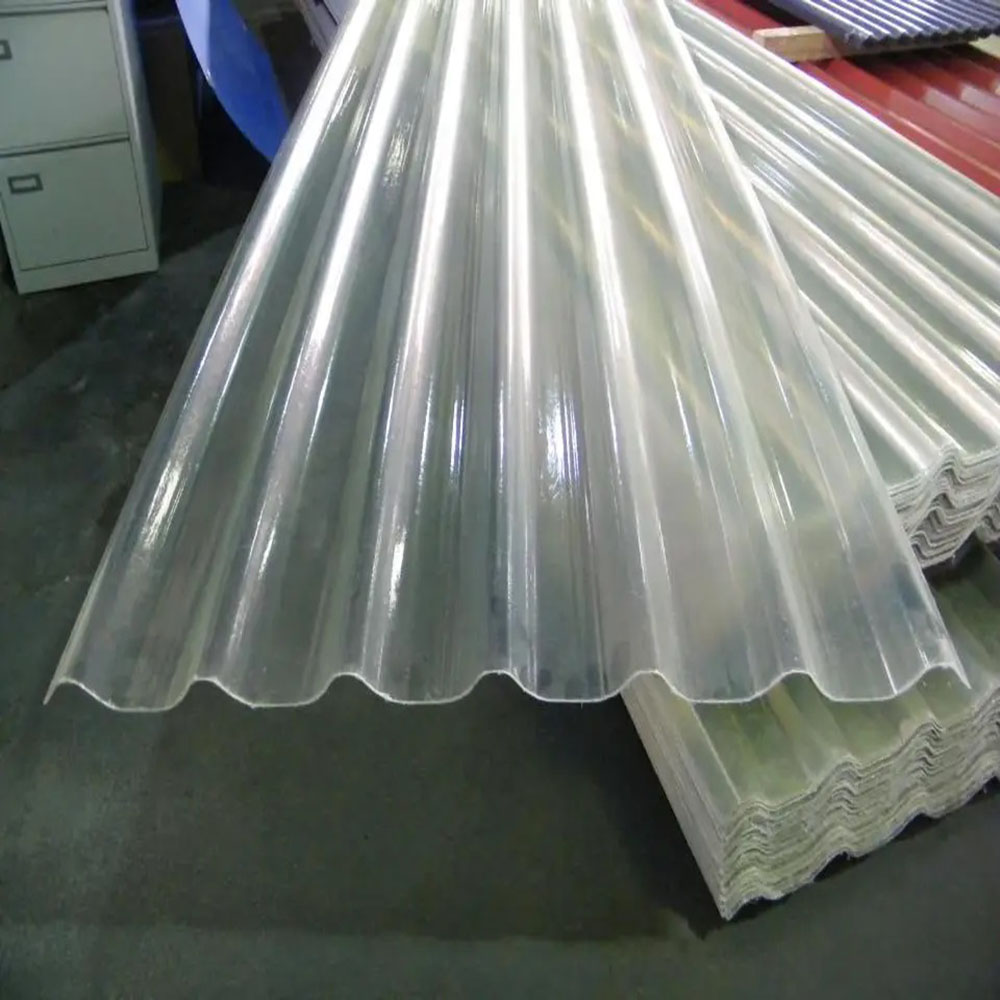
Polycarbonate polymer, which is used to make polycarbonate sheets, is strong, resistant to impact, low to scratches, and heat resistant. with outstanding UV protection and superb insulating qualities. These sheets are perfect for letting in natural light for a variety of applications, including industrial glazing, pathways, bus shelters, shopping arcades, canopies, partitions, greenhouses, and roof glazing. Sheets made of polycarbonate are environmentally friendly. These are also nearly indestructible, lightweight, robust, and resistant to impacts. Polycarbonate sheets have exceptional insulating qualities and are UV protected. Polycarbonate sheets are self-extinguishing, fire resistant, and temperature resistant to 120 degrees Celsius. There is a range of 30% to 80% for light transmission levels. These sheets weigh less and are fireproof.
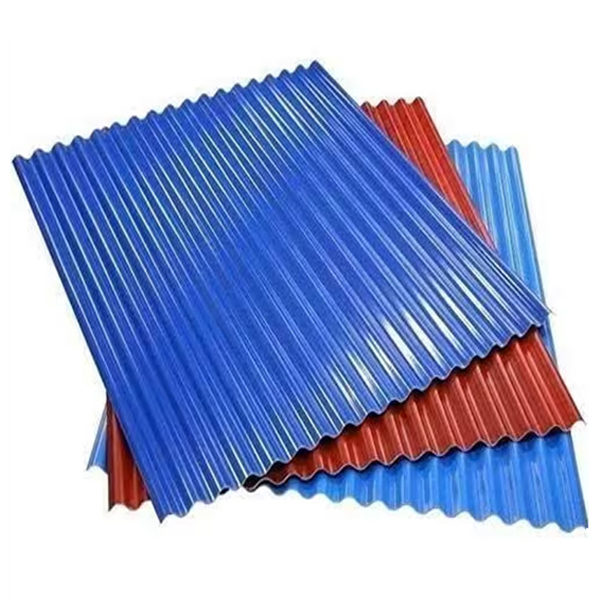
Roof & Wall Sheet
Roofing sheets are metal roofing system made up of Corrugated metal sheets. Corrugation gives strength to the sheets and several different types of coatings are used on metal that makes it anti-rust, waterproof, protection against extreme climatic conditions. When we are talking about roofing or cladding sheets there are basically of three types of sheets:
1. Galvalume Steel (or PPGL) : We are offering our clients with roofing solutions by making use of galvalume steel. Galvalume steel is zinc aluminum steel that has alloy coating of 55% aluminum, 43% zinc and 1. 5% silicon. This steel offers high corrosion resistance and protection against varied atmospheric conditions. The galvalume steel roofing sheets that we use is of varied tensile strengths of 300, 345 and 550 mpa, and is provided with coating class of az-150 as per as: 1397.
2. Galvanized Steel (or PPGI) : The shape of Z purlins is similar to that of the Z alphabet. They are mostly made using cold-formed or rolled sheets. As compared to hot-rolled angles, Z purlins are known to save up to 50% on structural sheets. The Galvanized Steel that we use is mild steel coated with galvanized zinc coating of minimum mass 120 grams/ square meter as per the standards of IS 277. Available in the minimum tensile strength of 240 MPA, this galvanized steel is the ideal material for roofing solutions.
3. Bare Galvalume : Bare Galvalume is made of excellent quality materials which ensure that it is safe for use by the clients and is very reliable. The material being used is dimensionally accurate. Thus, the roofing or cladding sheets are available in a diverse range of the specifications. They can also be custom ordered as per the specifications of the customers. Sheets can be cut into any sizes and colors as per customer’s requirement. These products are highly in demand for use in a variety of areas.

JSW PRAGATI PLUS
Model : AZ-70
Thickness of Sheet : Upto 1.5 mm
Grade : AZ-70
Top Coat : Acrylic Coating (With Guard Film)
Material : Mild Steel
Coating Mass (GSM) : AZ-70
Shape : Trapezoidal
Is It Rust Resistant : Anti-Corrosion
Is It Weather Proof : All Weather Protection
Galvalume Process : Aluminium-Zinc Coating
Warranty : 10 Years

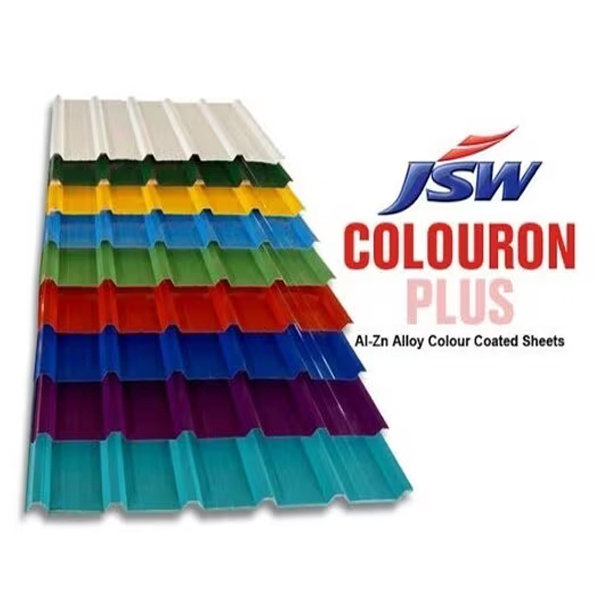
JSW COLOURN PLUS
Model : AZ-150
Thickness of Sheet : 0.20 - 1.2 mm
Grade : AZ-150
Top Coat : Acrylic Coating (With Guard Film)
Material : Mild Steel
Coating Mass (GSM) : AZ-150
Shape : Trapezoidal
Is It Rust Resistant : Anti-Corrosion
Is It Weather Proof : All Weather Protection
Galvalume Process : Aluminium-Zinc Coating
Warranty : 15 Years


